Building a new home in Miami brings excitement, but it also demands smart decisions, especially when it comes to roofing. The roof is more than a finishing touch; it protects your home from intense sun, heavy rain, humidity, and the ever-present threat of hurricanes. A well-installed roof defines how comfortable, safe, and durable your home will be for decades.
Let’s discuss the stages of roof installation in Miami for new homes.
Know Miami’s Climate Before Installing a Roof
Miami’s climate shapes every roofing decision. You deal with extreme heat, strong UV rays, high humidity, and sudden tropical storms. Hurricane season adds another layer of risk, with powerful winds capable of damaging poorly installed roofs.
The sun alone can break down low-quality materials over time. Heat causes expansion, and when temperatures drop slightly at night, materials contract. This constant movement stresses the roof structure. If you choose the wrong material or installation method, cracks and leaks will appear sooner than expected.
Rainfall in Miami often arrives in heavy bursts rather than light showers. Your roof must drain water quickly to prevent pooling. Standing water leads to mold growth, structural damage, and leaks.
Wind resistance is equally important. Hurricanes test roofs in ways that ordinary weather never does. A properly installed roof must stay anchored even under intense pressure. This means your roofing system must meet strict building codes and include reinforced fastening systems.
When you plan your roof, you should not treat it as a generic part of the house. Instead, you must design it specifically for Miami’s unique conditions.
Always Choose the Right Roofing Material for Your Home
Material selection plays a major role in how long your roof lasts and how well it performs. Miami homeowners usually choose materials that balance durability, aesthetics, and resistance to harsh weather.
Asphalt Shingles
Asphalt shingles remain popular because they cost less and offer decent performance. They come in various styles and colors, making them easy to match with your home’s design.
However, Miami’s heat can shorten their lifespan compared to cooler regions. Strong winds can also lift shingles if installation lacks precision. If you choose asphalt shingles, you must invest in high-quality versions designed for wind resistance.
Metal Roofing
Metal roofing has gained popularity across Miami for good reason. It reflects sunlight, reducing indoor heat and lowering energy bills. It also withstands strong winds better than many other materials.
Metal roofs resist corrosion when coated properly, which matters in coastal areas where salt air can damage surfaces. They last longer than asphalt shingles, often exceeding 40 years with proper maintenance.
While the upfront cost is higher, many homeowners consider it a worthwhile long-term investment.
Clay and Concrete Tiles
Clay and concrete tiles suit Miami’s architectural style. They offer a timeless look while delivering excellent durability. These tiles handle heat well and resist fire.
They also provide strong wind resistance when installed correctly. However, they weigh more than other materials. Your home’s structure must support this weight, so engineers often include additional reinforcement during construction.
Tile roofs can last for decades, but they require careful handling during installation because individual tiles can crack under pressure.
Flat Roof Systems
Modern homes in Miami often feature flat or low-slope roofs. These roofs use materials like modified bitumen or single-ply membranes.
Flat roofs demand expert installation because water drainage becomes critical. Even a slight error can lead to pooling water and leaks. When installed correctly, flat roofs offer a clean, modern look and work well with rooftop features like solar panels or terraces.
Roof Design and Structural Planning
Before installation begins, the design phase sets the foundation for success. Architects and engineers collaborate to create a roofing system that aligns with Miami’s building codes and environmental demands.
The slope of the roof affects how water drains. Steeper roofs shed water quickly, reducing the risk of leaks. Flat roofs require carefully designed drainage systems to prevent standing water.
Ventilation also plays a crucial role. Proper airflow reduces heat buildup in the attic, preventing moisture accumulation and extending the lifespan of roofing materials. Without ventilation, your home can become uncomfortably hot, and your roof can deteriorate faster.
Structural integrity matters as much as design. Builders must ensure that the roof deck, trusses, and supports can handle both the weight of the roofing material and the force of high winds.
Every detail, from the angle of the roof to the placement of vents, contributes to long-term performance.
Also Read: How Much Does a New Residential Roof Cost
Preparing the Roof Deck
The roof deck serves as the base layer for everything that follows. Builders usually construct it using plywood or oriented strand board (OSB).
A solid deck must remain smooth, dry, and free of gaps. Even small imperfections can affect the final installation. Contractors inspect the deck carefully before moving forward.
In Miami, builders often add a water-resistant barrier over the deck. This layer provides extra protection against moisture infiltration, especially during heavy rainstorms.
Proper fastening of the deck also matters. Contractors use nails or screws to secure the panels firmly to the structure. This step increases the roof’s resistance to uplift during strong winds.
Skipping attention to the deck leads to problems that no roofing material can fix later.
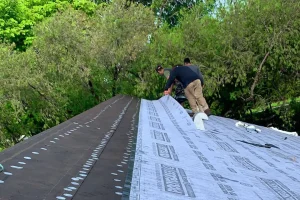
Installing Underlayment for Extra Protection
Underlayment acts as a secondary barrier between the roof deck and the outer roofing material. It protects against water intrusion if the top layer gets damaged.
In Miami, many contractors use synthetic underlayment because it resists moisture better than traditional felt paper. It also holds up well under high temperatures.
For hurricane-prone areas, peel-and-stick waterproof membranes provide an added layer of security. These membranes seal around nails, preventing water from entering even if the outer layer gets compromised.
Proper installation of underlayment ensures that your roof can handle unexpected weather conditions without immediate failure.
Flashing and Waterproofing Details
Flashing plays a critical role in preventing leaks. It covers vulnerable areas such as roof valleys, chimneys, vents, and edges.
Contractors typically use metal flashing because it resists corrosion and provides long-lasting protection. They install it carefully to direct water away from joints and openings.
In Miami’s heavy rain, even a small mistake in flashing installation can lead to serious water damage. Water tends to find the smallest gaps, and once it enters, it spreads quickly.
Sealing all joints and ensuring tight connections around roof penetrations keeps your home protected during storms.
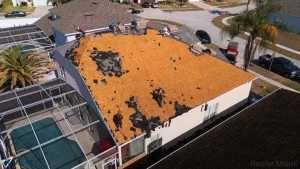
Installing the Roofing Material
Once the base layers are ready, contractors begin installing the main roofing material. Each material requires a specific approach.
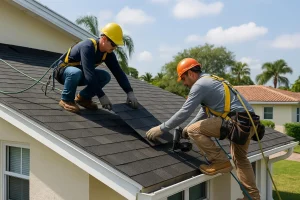
For asphalt shingles, installers start from the bottom edge and work upward. They overlap each row to ensure proper water shedding. Nails must be placed precisely to secure the shingles without causing damage.
Metal roofing involves attaching panels or shingles with specialized fasteners. Installers must align each panel correctly to maintain a uniform appearance and prevent gaps.
Tile roofing requires careful placement of each tile. Workers secure tiles with mortar or fasteners while maintaining consistent spacing.
For flat roofs, installers apply membranes using heat or adhesive methods. They ensure a seamless surface that prevents water penetration.
Precision matters at every stage. Even small errors can compromise the entire system.
Meeting Miami Building Codes and Regulations
Miami enforces strict building codes, especially for roofing. These codes focus heavily on wind resistance and structural safety.
Contractors must follow guidelines that specify fastening methods, material standards, and installation techniques. Inspections occur at different stages to ensure compliance.
Homeowners should work with licensed professionals who understand local regulations. Attempting shortcuts or ignoring codes can lead to fines, failed inspections, or unsafe structures.
Meeting these standards does more than satisfy legal requirements. It ensures that your home stands strong against Miami’s toughest weather conditions.
Cost Factors for Roof Installation
Roof installation costs in Miami vary based on several factors. Material choice has the biggest impact. Asphalt shingles cost less, while metal and tile roofs require a higher investment.
Roof size and complexity also influence the price. A larger or more intricate design demands more labor and materials.
Labor costs in Miami tend to be higher due to the specialized skills required for hurricane-resistant installation. Permits and inspections add to the overall expense.
While it may feel tempting to cut costs, investing in quality materials and skilled labor saves money in the long run. A poorly installed roof often leads to repairs that exceed initial savings.
Timeline for Roof Installation
Roof installation for a new home typically takes several days to a few weeks. The timeline depends on the size of the house, weather conditions, and material type.
Rain can delay progress, especially during Miami’s wet season. Contractors must wait for dry conditions to ensure proper installation.
Complex designs or specialty materials also extend the timeline. However, rushing the process often leads to mistakes.
A well-planned schedule balances efficiency with attention to detail, ensuring a strong and reliable roof.
Energy Efficiency and Sustainability
Miami’s heat makes energy efficiency a top priority. Your roof plays a major role in regulating indoor temperature.
Reflective materials, such as metal roofing or light-colored tiles, reduce heat absorption. This keeps your home cooler and lowers air conditioning costs.
Proper insulation and ventilation further improve efficiency. Together, these elements create a comfortable indoor environment while reducing energy consumption.
Some homeowners also install solar panels during or after roof installation. Planning for this in advance simplifies the process and avoids future modifications.
Mistakes to Avoid For Roofing in Miami
Many roofing issues arise from avoidable mistakes. Choosing the cheapest materials often leads to early wear and tear.
Ignoring ventilation can cause moisture buildup, leading to mold and structural damage. Poor flashing installation results in leaks that spread over time.
Hiring unqualified contractors creates risks that outweigh any savings. A lack of experience can lead to improper installation, which fails under Miami’s harsh conditions.
Taking the time to plan and invest in quality prevents these problems before they start.
Maintenance After Installation
Even the best roof requires regular maintenance. Miami’s climate can gradually wear down materials, so periodic inspections help catch issues early.
Homeowners should check for loose or damaged sections after storms. Cleaning debris from gutters ensures proper drainage and prevents water buildup.
Professional roof inspections every few years provide a deeper assessment. Experts can identify hidden problems that may not be visible from the ground.
Consistent maintenance extends the life of your roof and protects your investment.
Contact Fix Up Roofing for Roof Installation in Miami
When it comes to installing a roof that can handle Miami’s demanding climate, working with the right professionals makes all the difference. Fix Up Roofing brings experience, precision, and a strong understanding of local building codes to every project. Our team focuses on delivering roofing systems that stand up to heat, humidity, and hurricane-force winds without compromising on style.
Whether you prefer metal, tile, or shingle roofing, we tailor solutions to match your home’s structure and design. Call us now and let’s get started.