Budgeting can be one of the most time-consuming and complicated parts of a large-scale roof replacement project, as several factors come into play while determining the costs.
A handful of these factors include material costs, labor rates, the level of damage to the existing roof, permits, and so on. Oftentimes, the final costs go beyond what was initially estimated.
So how do you budget your roof replacement in Miami in a close-to-accurate way, taking account of all the variables while setting aside contingency costs?
This is exactly what we’ll cover in this blog. Whether you’re replacing a single commercial roof or multiple roofs as part of a large-scale residential roof project, we’ll equip you with the know-how you need to budget effectively.
How to Budget Smartly for a Roof Replacement Project?
Good budgeting is a skill that comes with planning and the ability to anticipate both expected and unexpected expenses in your roof replacement project.
Here’s a comprehensive blueprint of what you need to do to budget for large-scale roof replacement in Miami:
Evaluate Your Project Scope
The first step in budgeting is to determine the overall ‘scale’ of the project. The size of the roof is the most important factor here, measured in squares (1 square = 100 sq ft.)
It goes without saying that a larger roof will cost more to replace as compared to a smaller one, but it’s important to factor in the complexity of the roof too.
Features like skylights, chimneys, multiple levels, overhangs and HVAC roof equipment can significantly affect the final costs.
The style of the roof also plays a role here. In Miami, commercial roofs are often flat or low-slope, containing membranes like TPO which come with their own estimated costs.
As an example, a commercial flat roof on a 20,000 sq. ft. building with a TPO membrane might run $120,000–$250,000, depending on complexity.
Select Miami-appropriate Roof Materials
Not all roofing materials are the same, especially in Miami’s context where roofs deal with storms, hurricanes and extreme weather on a regular basis.
Asphalt shingles may come across as cheap upfront, but they last up to 10-15 years before they need a replacement. Metal tile roofs may cost more, but they provide better protection and efficiency.
Clay and concrete tiles are also a popular choice for their hurricane resilience and energy efficiency, keeping the property cool during summer.
While budgeting, factor in not just the cost per square foot but also the maintenance requirements, lifespan, and long-term savings that impact-resistant materials may offer.
Here’s an estimated breakdown on the costs of different roof materials:
| Roofing Materials | Estimated Costs |
| Asphalt Shingles | $4.5-$8+ per sq ft |
| Metal Roofs | $12-$18+ per sq ft |
| Concrete Roofs | $150-$250 per sq (material cost only) |
| Clay Tiles | $8-$20 per sq ft |
| Wood Shakes | $250-$600 per sq (material cost only) |
Factor in Roofing Labor Costs
This is where a lot of roofing projects go south, as labor forms the biggest chunk of your roofing budget. One of the biggest mistakes people make is going for roofers that offer unrealistically cheap rates.
Unlicensed or unprofessional roofers often lack the technical skill sets to install roofs that are impact-resistant and comply with building codes in Miami-Dade County.
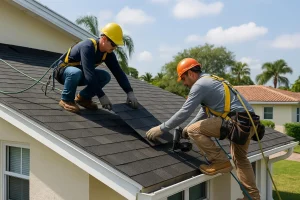
It’s important to choose a contractor that is experienced enough to handle your commercial roof replacement project. An experienced contractor may cost more, but the results are worth it.
Include Permits and Code Compliance
Every roofing project requires a permit, and the cost for obtaining one varies depending on the scope of the project. The permit cost is billed separately from the roofer’s labor and material estimate.
Once the permit is issued, the county (or an approved inspector) usually requires inspections at specific stages of the project to ensure the roof complies with Miami’s local building codes.
A lack of code compliance or skipped inspections results in heavy fines, voided warranties and insurance issues if storm damage occurs later on.
Plan for Tear-offs, Disposal and Contingencies
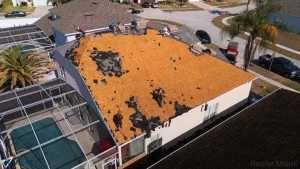
Tear-off refers to the complete removal of the existing roof down to the bare roof deck. For commercial roofs, tear-offs may be expensive considering they have multiple layers and regulatory requirements.
Tear-off costs are evaluated depending on roof’s height, weight and disposal fees at local recycling centers. It’s also important to include a 10-20% contingency in your budget.
This is because tear-offs may often expose hidden damage in the roof, like mold, moisture intrusion, or rotting wood. Repair costs for roof damage are usually charged separately from the project.
Also read: Top 10 Roofing Materials: Which One Is Right for Your Home?
Consider Seasonal Timings
The seasonal timing in Miami can also affect the cost of roof replacement. The storm season (June-November) often brings delays as most roofers aren’t available during this period.
Even if a crew is available, the project may be slowed by rain or the need to protect the property from water damage during construction, which can increase labor costs and extend the project timeline.
Planning your roof replacement during the drier months, typically from December to May, can help avoid these delays and reduce the risk of additional expenses.
Budgeting Checklist for Your Roof Replacement Project
It can be easy to lose track of budgeting variables, so here’s a simple checklist that you can refer to for your roof replacement project.
- Roofing material costs
- Labor costs
- Tear-off and disposal fees
- Permit fees
- Inspection-related costs
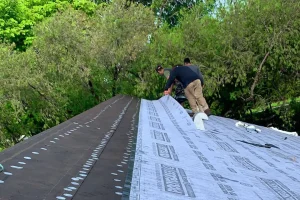
- Underlayment and waterproofing materials
- Flashing and ventilation upgrades
- Structural or decking repairs (if discovered during tear-off)
- Mold or water damage repairs
- Equipment or crane fees
- Temporary weather protection during installation
- Cleanup and hauling costs
- Contingency budget (10-20% for unexpected issues)
- Financing or interest costs (if applicable)
Professional roofing companies often help you with budgeting in a transparent way, providing detailed estimates in a clear, easy-to-understand manner.
How Tariff Costs in Miami Affect the Cost of Roofing Projects
Roofing prices in Miami can fluctuate year to year, or even month to month. The main reason behind this is how tariffs and material sub-charges can cause sudden increases in roofing material costs.
A 7.5% tariff on roofing materials like panels, fasteners and underlayment products might not seem much at first, but this percentage can add up quite a bit in a project that already costs thousands of dollars.
As an example, if your roofing materials cost $20,000, a 7.5% tariff can add an extra $1500 to your budget.
Global shipping delays and fluctuating weather can also impact the final costs. When heavy storms hit the region, the sudden rise in demand for roofing materials can push prices up by 10% to 20%.
Most roofers include a wider price range while creating a budget plan for their clients, factoring in these unpredictable surcharges to maintain transparency.
Roof Replacement Budgeting To-Do List
If you’re budgeting for a roof replacement in Miami, here’s a simple to-do list you can follow to keep costs in control:
- Get quotes from at least 2-3 experienced and licensed roofing contractors in Florida.
- Verify each contractor’s license, insurance, and permit history through the Miami-Dade County portal.
- Ask for a detailed, line-item estimate (labor, materials, tear-off, disposal, underlayment, flashing, permits, insulation, and extras).
- Confirm the estimated permit cost and whether the roofer will handle paperwork on your behalf.
- Ask contractors how much they charge in case of unexpected roof damage found during inspections or tear-offs.
- Review material options, not just in terms of upfront installation costs but their overall longevity and durability in Miami’s stormy climate.
- Check material availability and lead times during storms so that you can plan ahead of time during material shortages.
- Confirm whether the roofer offers financing options. Many contractors in Miami do so.
- Document everything in writing, including start date, scope, payment terms, and cleanup responsibilities.
Let Fix Up Roofing & Construction Replace Your Roof Within Your Budget!
Researching options for suitable roofing contractors can be the hardest part of a roofing project, because you can’t trust just anyone out there, especially if it’s a large-scale roof replacement.
But Fix Up Roofing & Construction is here to make things easier for you. We’ve been handling commercial roofing projects for years in Miami at affordable costs.
We ensure the whole project is carried out smoothly from start to finish, from helping you choose the best roofing materials, managing permits, and handling the entire installation process.
If you’re ready to begin your roofing project, just give us a call and let us give you a free, transparent quote!