Acting quickly and methodically during a roof emergency is key to managing it effectively. If you lose your composure and fail to take safety measures on time, the damage only gets worse.
Your goal should be to protect yourself, your family members, your house, and personal belongings. Water can spread quickly if not stopped smartly, so containing the leak ASAP is essential.
There are several steps you can follow to take control of the situation, such as placing buckets inside your home near leaky areas, and shutting off the power supply if water is near electrical fixtures.
Think of these steps as a form of “roofing first-aid” on your end. Call a roofing company as soon as possible afterwards to get professional, long-term repairs for your roof.
The aim of this blog is to equip you with practical knowledge on how to respond to emergency leaks effectively, so you’re not left confused when a leakage occurs.
A Guide on What to Do During an Emergency Leakage
Roof emergencies can happen because of many reasons. Aging materials, worn-out shingles that were on the verge of breaking, heavy rainfall forcing water through small holes, and so on.
It is natural to panic, but it’s equally important to ground yourself and be as proactive as possible. Taking the right steps naturally helps you calm yourself down during an emergency.
That said, here’s what you need to do if a sudden roof leakage ever takes place:
Inspect the Roof Leakage
This might sound obvious, but it’s important to get a clear idea of what’s actually going on.
Take a quick moment to identify where water is entering from, whether it’s through a puncture in the roof or a gap around the skylight.
Look closely for dripping water, cracking walls, or bubbling paint on the ceiling. However, avoid climbing the roof in case of an extreme storm, as it can be slippery and highly dangerous.
Contact a Roof Repair Company
You should contact a roof repair company as soon as possible. Always choose a trusted and licensed contractor, as unprofessional roofers may make the damage worse.
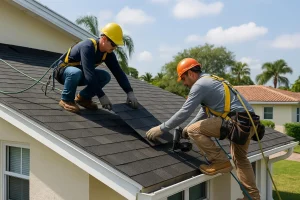
Professional roofers have the tools, techniques and skills to repair your roof while maintaining complete safety standards. Plus, they don’t just address the symptoms but the cause of roof leakage as well.
Protect Yourself, Your Family & Your Home
Safety comes first. Step away from areas getting more leakage, and keep children, pets and family members out of rooms where water is entering.
Also, avoid touching any electrical devices that may have come in contact with the water. Turn off the power at the breaker to prevent short circuits and electrocution.
Quickly move your valuable items to a safer place, and if moving heavy furniture isn’t possible, cover them with plastic sheets temporarily.
Document The Roofing Damage
Take pictures and videos of the leak from multiple angles. Make sure to cover both the exterior and interior damage in the footage.
Documentation is necessary if you plan on filing an insurance claim for roof repair or replacement. Do keep receipts of any emergency services you avail, as they are reimbursable too.
Avoid DIY Roof Repairs
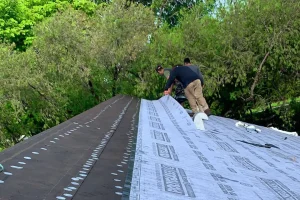
This is important. Unless you have professional experience in roofing, do NOT climb over the roof to place tarps, especially when there’s heavy rain, storm, or hail going on.
There are many risks associated with DIY repairs, like falling from a height and getting severely injured. You may even void your home insurance policy if you attempt repairs on your own.
Dry and Ventilate Your Space
Water entering through the roof creates the risk of moisture problems, which can lead to mold growth in your house.
After dealing with the roof leakage, open the windows, run fans and use dehumidifiers to dry your space. You may also need to get insulation removed by a professional if it has been affected by water damage.
Also Read: How to spot early signs of roof damage
What Are the Signs You Need Emergency Roof Repair Services?
Roof leakage can happen either gradually over a course of time, or all of a sudden following a major weather event. Here are some of the signs you need to look out for:
Water is Pooling Through the Roof
Water actively dripping from the ceiling, flowing down the walls, or pooling on the floor is an alarming situation.
This water can rapidly spread into your attic insulation, causing a deterioration of the entire structure. And it can also seep into electrical systems, creating the risk of electrical fires.
Water Bubbles Forming on Walls
Water bubbles might form on the walls and ceilings, penetrating their deeper layers and weakening their structure.
You’d most likely need emergency services to get rid of the excess water and restore the damaged building materials.
Trees Suddenly Falling on Roofs
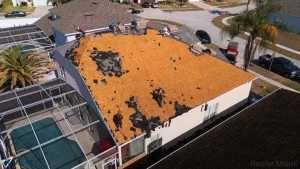
Trees and branches might fall on your roof due to a heavy windstorm, causing impact damage. They may crack the shingles, create holes in the roof, and damage the underlayment.
Moldy and Rotten Smells
Musty odors might be a sign of excess moisture intrusion following a roof leakage issue, leading to mold growth.
Mold can spread in 24-48 hours after a water damage incident, so it’s important to let a professional remove it on time.
Sagging Sections on the Roof
A roof is supposed to look even and uniform, so any gaps, bends or sagged sections in the roof are red flags.
Irregularities are a sign of damage beneath the surface, that only worsens if not addressed properly.
Why Are Emergency Roofing Services Important in Miami?
Florida is notorious for its heavy weathers, with hurricane winds reaching up to 160 mph, and about 70 thunderstorms occurring annually.
Strong winds can lift the shingles, damage flashing, and cause certain components of the roof to break apart. Heavy rain can happen at any time of the year, posing a risk of water damage to roofs.
Having access to emergency roofing services, based in Miami, ensures that you always have a reliable contact to help you secure your roof during a storm or any kind of harsh weather.
It’s not just about maintaining your roof’s aesthetics, but prioritizing your overall safety and well-being. The safer your roof, the safer you and your family will feel, after all.
Safety Measures to Help You Prevent Roofing Problems
- Schedule Regular Inspections: Have a professional inspect your roof at least twice a year, and after major storms.
- Keep Gutters Clean: Remove leaves, debris, and other blockages to ensure proper water drainage and prevent water from getting into shingles.
- Trim Overhanging Trees: Trees close to your roof can cause physical damage during storms or drop leaves that trap moisture.
- Replace Damaged Shingles Promptly: Address cracked, curled, or missing shingle to maintain a watertight roof.
- Check and Repair Flashing: Inspect areas around chimneys and vents, as damaged flashing is a common source of leaks.
- Schedule Timely Roof Replacement: Know the expected lifespan of your roofing material and replace it before it becomes prone to leakage or damage.
Book Your Emergency Roof Repair with Fix Up Roofing and Construction!
Roof problems never give you a heads-up, but that doesn’t mean you have to deal with the stress alone. Fix Up Roofing and Construction jumps in fast, whether it’s a sudden leak or storm damage.
We’re literally based in Miami, so we know the exact requirements for roofs in this city and the problems they run into because of the harsh weather conditions.
We cover all you need for your roofing problems, ranging from installation, repair, replacement, waterproofing to other solutions.
Call us today if you’re looking for a trusted roofer near you!