Miami’s weather demands strong, resilient roofing. When you opt for roof installation in Miami, you need a reliable process that works with heat, wind, humidity, and sometimes surprise storms. Every step matters, from inspecting your old roof to selecting quality materials, performing a tear-off, installing underlayment and shingles, and finishing with a thorough cleanup.
Today, we will be discussing the new roof installation process from tear-off to cleanup. So, without any delays, let’s start:
Why Roof Replacement Matters in Miami
Miami isn’t a typical city. It sits by the ocean, where the salt in the air speeds up material wear. Miami also sits in a hurricane zone. These factors make roof performance a priority.
Over time, older roofs begin leaking, shingles curl, and underlayment loses strength. When you see water stains on a ceiling or shingle granules in your gutters, your roof already shows stress. In Miami, you can’t delay repairs. Timely roof installation protects your home, your family, and your investment.
New Roof Installation Process
Starting With a Detailed Roof Assessment
Before any work begins, a professional roofer must inspect your roof. We suggest that you request this detailed assessment before any work begins. The roofer checks:
- Shingle or tile condition
- Flashing around chimneys and vents
- Gutters and fascia boards
- Signs of rot or water damage
- Roof pitch and structural stability
This step reveals what you can’t see from the ground. If there’s hidden water damage in the decking, you need to know before removing old roofing. Inspection shapes the scope of work, materials needed, and overall cost.
Preparing the Miami Home for Tear‑Off Day
Preparation begins before tear‑off day. A trustworthy team does these key tasks:
- Protect landscaping: Workers cover bushes and gardens with protective fabric. They place plywood walkways to avoid lawn damage.
- Secure property access: Driveways become staging areas. Deliveries, dumpsters, and workers need space.
- Inform occupants: Contractors share a schedule and safety guidelines. Everyone knows where to avoid during work.
In Miami, preparation includes planning around weather forecasts. Contractors check wind, rain, and heat predictions before starting.
Tear‑Off: Removing the Old Roof
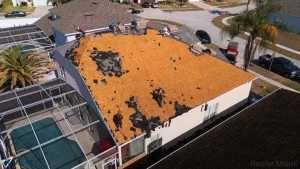
Tear‑off marks the first major action on the roof. Workers climb up and begin stripping away shingles, tiles, and underlayment. They work in sections so debris doesn’t overwhelm the ground below.
Workers use specialized tools like roofing tear‑off bars, shingle removers, and magnetic sweepers. They toss materials down onto tarps and into dumpsters.
This phase creates noise, dust, and visible transformation. You will see your house evolve right before your eyes. Old roofing materials become discarded layers on the ground. A fast, skilled crew keeps this part efficient.
Inspecting the Decking and Structural Elements
After the tear‑off, the roofing crew uncovers the decking, the wooden layers beneath the shingles. This is a crucial moment.
Healthy decking stays firm when workers walk on it. If decking feels soft, saturated, or crumbly, workers mark it for replacement. Rot or water damage demands immediate attention.
In Miami’s humid climate, water intrusion over time weakens wood. A professional team replaces damaged decking promptly so the new roof will sit on solid support.
Choose the Right Underlayment for Miami Conditions
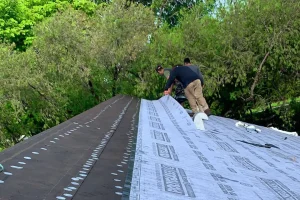
Underlayment sits between the decking and roofing material. It acts as a moisture barrier and a second line of protection.
In Miami, contractors select synthetic underlayment because it performs better in humid environments. This choice protects the roof from trapped moisture and heat.
Once the decking receives a uniform underlayment, workers nail it down in overlapping rows. They ensure no bubble or gap remains because every inch matters when storms hit.
Also Read: How Much Does Roof Repair Cost? A Complete Pricing Guide
Choose the Right Flashing and Ventilation
Proper flashing and ventilation separate average roof jobs from great roof jobs.
Flashing
Flashing refers to metal strips placed around:
- Chimneys
- Vents
- Skylights
- Roof edges
These strips stop water from seeping into vulnerable seams. The crew bends, fits, and seals each piece carefully so water runs off and not inside.
Ventilation
Miami’s heat traps energy in attic spaces. Without proper ventilation, heat degrades shingles faster. Roofers install ridge vents or soffit vents so air flows. This keeps attic temperature lower and extends the roof’s life.
Flashing and ventilation work together. They help the roof breathe and resist water intrusion, especially during heavy tropical storms.
Choose The Right Roofing Material: Shingles, Tiles, or Metal
Once flashing and underlayment are in place, it’s time for the roofing material. Miami homeowners choose from several durable options:
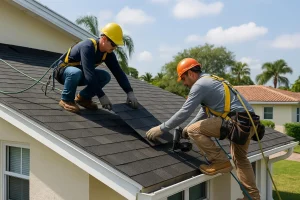
Asphalt Shingles: Most common and cost‑effective. Contractors lay them in overlapping rows, securing them with special roofing nails. They align each row precisely to maintain aesthetics and function.
Concrete or Clay Tiles: Popular for Spanish or Mediterranean-style homes in Miami. These tiles handle heat well but weigh more. Roofing crews check the structure supports the weight before installation.
Metal Roofing: Metal panels resist wind uplift and reflect heat. Installation requires precise fastening and sealing of seams so water never infiltrates.
Regardless of material, professionals follow building codes and Miami‑Dade County wind‑resistance standards. These standards matter because they determine how well your roof stands up to hurricanes and tropical storms.
Pay Detailed Attention to Edges, Ridges, and Valleys
Edges, ridges, and valleys are the most critical parts of a roof. They see the most water flow during heavy rain.
Workers install ridge caps to cover the highest points of the roof. These caps lock in place to stop wind from lifting shingles. Valleys get metal liners or extra‑resistant shingles because water funnels through them.
Production here must be perfect. Small mistakes at the edges or valleys become leaks later.
Quality Check: Ensuring Roofing Precision
After installation, the crew runs a detailed quality check. They walk the roof and lower areas with a checklist. They confirm:
- Correct fastener placement
- Straight alignment of shingles or tiles
- Secure flashing
- Proper ventilation installation
If they spot loose nails or misaligned shingles, they fix them immediately. This ensures the roof meets high standards before cleanup.
Cleanup & Restoring Your Property
Cleanup matters as much as installation. You don’t want leftover nails or debris on your lawn. In Miami, crews deal with:
- Hot tar pieces
- Broken shingles
- Dust and small fragments
Professionals use magnetic sweepers to collect nails, rake up debris, and remove protective coverings. They also inspect driveways and pathways for stray materials.
Your home should look better after a cleanup than before. A spotless yard reflects a job done right.
Final Inspection For Your Satisfaction
After the cleanup, the contractor invites the homeowner for a final walk‑through. This step gives you peace of mind.
You and the team check:
- Roof surface appearance
- Flashing and ridge caps
- Gutters and downspouts
- Attic ventilation
You ask questions and get explanations on maintenance, warranty, and care.
This walk‑through is your moment to understand what you invested in and how to care for it.
Post-Installation Care Tips
Your new roof needs care to last in Miami’s environment. Here’s what we recommend:
- Seasonal inspections: Check for debris, damaged shingles, or loose flashing.
- Clean gutters: Blocked gutters cause water backup under shingles.
- Trim overhanging branches: These scratch shingles and invite pests.
- Monitor attic humidity: High humidity weakens materials.
Routine care keeps your roof performing at its best for years.
Always Choose The Right Roof Installation Contractors in Miami
Your home deserves a roof that protects, performs, and lasts. Always choose the right roof installation contractors in Miami to achieve the best results. A skilled, experienced team ensures every step from tear-off to cleanup goes smoothly. They inspect your roof, select quality materials, install precisely, and handle Miami’s unique climate challenges, including heat, rain, and storms.
Fix Up Roofing stands out as a trusted choice for roof installation in Miami. Our team combines expertise, local knowledge, and a commitment to customer satisfaction. We guide you through the process, keep your property safe, and leave your home spotless after the job. Don’t risk leaks, weak structures, or delays with inexperienced contractors. Contact us today for reliable, professional roof installation in Miami, and secure a roof that protects your home and family for years to come.