If you own a commercial building like an office or a warehouse, its roof is far more important than your residential one. Commercial roofs have different sizes and structures compared to residential roofs, so the challenges they face are also unique. Your commercial roof safeguards not only the building itself but also your valuable inventory, equipment, and employees from harsh weather, temperature changes, and potential safety hazards. The performance of commercial roofing in Miami gets compromised with time, age, weather, and wear and tear.
But it’s hard to spot that damage because usually commercial buildings don’t have direct access to roofs. So, minor problems usually turn into major headaches because they weren’t caught early. In this blog, we will tell you the top signs you can look for to know that your commercial roofing in Miami needs repair.
Water Leaks and Stains
Brown stains on your ceiling or just discoloration are one of the clearest indicators that your roof needs immediate inspection. It is a sign of a water leak, and such stains often appear below that compromised area. And if you experience obvious drips or puddles, that is something you can’t neglect even for a second. This can be a hazard to your office, employees, and customers because of the health and safety risks it causes.
Holes, Cracks, or Tears
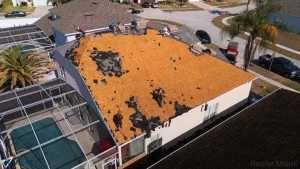
If you have access to your roof and you see blisters, cracks, or visible holes, these are clear red flags, and it is the right time to replace your floor. Blisters form when air or moisture gets trapped under the membrane, expands from heat, and creates a bubble. If the blister ruptures, it can expose the roof to water damage.
Musty Odor
A persistent musty odor is also a sign because mold grows in insulation or behind the walls due to moisture. Trapped moisture and mold together cause a mildewy odor. It becomes uncomfortable for everyone to stay in the building, and it can lead to health issues. If this unusual odor won’t go away, it’s crucial to investigate possible roof leaks.
High Energy Bills
A compromised roof means poor insulation. If the issue increases and gets to the roof membrane, conditioned air will escape, forcing the HVAC to work harder to maintain comfortable indoor temperatures. This inefficiency not only increases your energy bills but also puts additional strain on your HVAC system.
Ponding Water
If rainwater becomes stagnant, making pools or puddles, the roof membrane will deteriorate. After a rain, water should drain from a low-slope roof within 48 hours. Must inspect your roof for standing water after rain and address drainage problems promptly to prevent long-term damage. If that is not happening, this can pose serious issues after a few more rains.
Also Read: How to Choose the Right Roofing Contractor in Miami
Loose or Damaged Flashing
Loose, cracked, or improperly sealed flashing is a sign to get things repaired or replaced. Flashing is a key defense against water. It seals joints around vents, chimneys, and other protrusions. If the flashing is peeling away, damaged, or missing, it can create an entry point for water.
Age of Roof
Roofs in Miami usually have low life as compared to any other region. Reason is severe weather conditions like harsh heat and winds. Even if your roof appears to be in good condition, regular professional inspections after 20 years of that being in place are essential. Once it approaches the end of its expected service life, the chances of damage are higher.
Recent Storms
It’s better to examine your roof condition after any heavy rain, storm, hurricane, snow, or hail. Such weather conditions can compromise the structural integrity of your roof. After a major weather event, first inspect the roof yourself, and if you find any obvious damage, schedule a professional assessment to fix it on time. Commercial roofing services in Miami will assess the damage thoroughly and provide a solution.
Plants on your Roof
If your rooftop is turning into a mini plant area, consider this a sign of a water leak, as plants, moss, or algae don’t grow without water. Their presence indicates conditions that could lead to leaks and further damage.
Sagging or Uneven Roof Surface
A sagging or uneven roof surface is a sign of structural problems that require urgent attention. This can result from prolonged water accumulation, excessive weight from debris or equipment, or the breakdown of roofing materials. Ignoring these issues can lead to severe structural damage and safety hazards for building occupants.
What are the causes of Commercial Roof Damage?
Now that you know the signs, you should be aware of the causes of these commercial floor damages. This will help you take preventive actions. Let’s suppose a roofing system was not properly installed, and you never paid attention. Over time, things got worse, and now you are in a hazardous situation. Even if the roof was installed correctly, not paying attention to or maintaining it for years can cause problems. Also, improper drainage systems, sloppy or shoddy installation work, damage from Mother Nature, or just the inevitable degradation of the roofing system over time are nearly inevitable.
What to do if you see these signs?
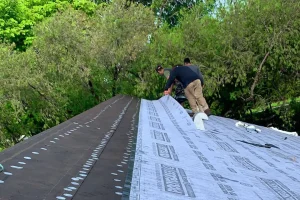
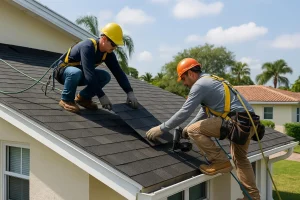
If you observe any of these signs, it’s important to act quickly to prevent further damage and protect your investment. The best step is to schedule an inspection with a qualified commercial roofing contractor in Miami. Fix Up Roofing can provide a professional assessment, detect hidden moisture using tools like infrared scanners, and help you determine the best course of action. Addressing problems early can save you significant time and money and ensure the safety and comfort of everyone in your building.