The weather of Miami is unpredictable. You never know when the sun shines brightly or when there’s going to be a storm. Every year, the people face the same story all over again: strong winds, heavy rains, and after that, broken shingles, leaks, and panic. But the truth is, after every storm, inspecting the damage is not the only important task; responding to the damage effectively is equally important.
This blog will show you simple, practical steps to inspect your residential or commercial roof, keep it secure, and know when to take professional help after every storm.
Safety First
After the storm, your first instinct might be to get on top of the roof and see the damage. But it can be dangerous because wet roofs are slippery, and one wrong move can seriously injure you.
The first step should be to keep your family in a safe, danger-free zone. Before you go out, look carefully to see if the storm knocked down some power lines or tree branches on the roof.
Safety should always be the first step.
Damage Assessment
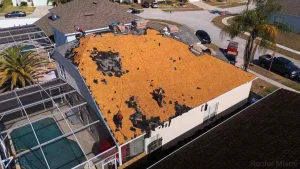
When the area looks safe, try looking at the roof. Look around the house to see if any shingles have flown off, if the gutter system is blocked, or if there is a dip in any portion of the roof.
Take photos of the roof from every angle, front, sides, and back with your phone. This isn’t only going to be useful for an insurance claim, but it’ll help the roofer understand the damage.
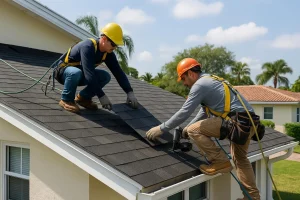
People usually make a mistake here, and that is climbing the roof with no plan. After storms, the weather is humid, and the roofs are obviously wet and slippery, so avoid climbing directly without proper safety gear.
Control the Leaks Before They Spread
If your ceiling starts to drip after a storm, put a bucket under it or set up a towel system. Turn off the ceiling fans and lights because water and electricity are never a good combination.
If the leak is small, you can try temporary fixes like:
- Plastic tarp
- Waterproof sheet
- Heavy-duty trash bag
You can use all these methods as temporary fixes, but not as a permanent solution. It will indeed save your furniture and house from water until the professionals arrive.
Document Everything for Insurance
Storm insurance is a common thing, but for a successful claim, you need to have proof:
- Photos
- Videos
- Receipts
- Written notes
Keep all these saved in a folder. Do not panic while contacting the insurance company. Just tell them calmly about the situation what happened, when it happened, and to what extent the damage is.
Professional adjusters usually ask for pictures and estimates. Your job is to give them the correct information.
Extra tip: If the contractor is providing you with a quote, take a written estimate of that as well. All these documents help with the insurance claim.
Read more: The hidden dangers of ignoring small leaks here.
Hidden Water Paths: Track the Leaks Before They Travel
Most people focus on dripping water after roof damage, but the water rarely travels down directly from the roof; it travels through beams and insulation.
At this stage, you should inspect the attic. Take a flashlight and look for dark, wet patches, soggy insulation, or a musty smell.
This small check can save you from a large expense because if any hidden moisture is left, it can turn into wood rot and mold and cause bigger damage.
Electricity Inspection
Not many people understand that the most dangerous part of a roof leak isn’t water but electricity. If the leak is near light fixtures or around the ceiling fan, you need to immediately turn off the power breaker because the moisture can seep into the wiring.
If the lights flicker or the fuse is constantly tripping, then the danger of a short circuit is real.
Ignoring the electrical inspection after the storm might seem unnecessary, but it can compromise your house’s safety.
It is a responsible decision of a homeowner to do electrical isolation after the storm for a while if there are leaks.
Don’t Fall for Fake Roofers
After the storm, there comes another storm – the storm of fake roof contractors. These people go around blocks selling cheap inspections and emergency repairs, but they usually disappear without doing the complete work.
So, always verify the roofer first.
Check for their license, see if their reviews are genuine, and if their address is real.
Take everything in writing; do not believe any verbal promises.
A trusted roofer provides you with a clear timeline, transparent cost, and warranty.
Call a Professional Roofer ASAP
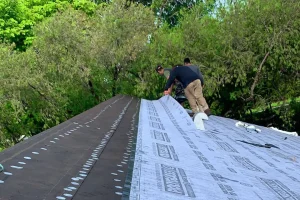
After you are done with safety, documentation, and temporary fixes, it’s time to call the professionals. Delaying this will only increase the problem because, with every new rain shower, the problem gets bigger gradually.
Professional roofers provide you with a clear plan after inspection:
- What portion is going to be replaced
- Which portion can be fixed with repairs
- How much time it is going to take
- Total cost estimate
Getting professional help is not just convenience but a long-term investment.
Checking the Gutter Drainage System
A lot of people get the roof fixed but ignore the gutter and drain.
After storms, leaves and debris choke the gutter, which causes the water to back up, and that water seeps into walls through edges.
Always ensure once if your gutter system is clear or not. If not, get it cleaned ASAP. This small step can save you from future leaks.
Learn Preventative Maintenance
Repairs after every storm are not a feasible solution; taking preventative measures is the best plan.
Schedule routine inspections for the roof. Ensure that your gutter is clean, the flashing is tight, and the underlayment is strong. You should get this inspection done at least once every 6 months if the climate is very unpredictable.
These preventative measures may seem small, but they save you thousands of dollars in the long run.
Stay Connected with Local Weather Alerts
The weather might be unpredictable for you, but technology has made it very predictable these days. Stay updated with the local weather alerts after every storm to check if a rain shower is expected.
Always follow the pre-checklist of your house whenever there is a tropical storm or hurricane alert:
- Secure loose items
- Clean gutters
- Remove any existing debris from the roof
Being prepared means less panic and damage after the storm.
How to Keep Your Home Safe from Future Storms
These are some simple yet effective measures to take after the storm for future protection:
- Schedule regular inspections: Make sure to get the roof inspection done every six months. If the loose shingles and small cracks are repaired on time, it reduces the risk of bigger damage.
- Keep the downspouts clean: When water isn’t drained properly, its backflow makes it soak into the underlayer.
- Trim the tree branches: The most damage during a storm is caused by nearby tree branches falling on the roof, so be sure to trim them.
- Check the sealant and flashing: These are small metal and rubber edges from where the water enters the most. If these are strong, it reduces the risk of leaks.
No one has control over future storms, but damage control sure is in your hands you just need to be a little proactive with it.
Call Fix Up Roofing & Construction To Fix Roof Damage Today
Storms come and go, but the people who are prepared don’t panic. The roof is the first line of defense of your home. If it is maintained, every storm becomes manageable.
So the next time a storm passes and the weather is clear, do not forget to check the roof. Small things like clogged gutters or a missing shingle can become a bigger problem very quickly. And if you think the damage is heavy, don’t delay. Call Fix Up Roofing & Construction, Miami’s trusted experts in roof storm damage repairs. Whether it is an emergency patching or a full-scale reconstruction, our team will come fast to resolve the matter.